Electricity costs across New South Wales continue to rise, which is one of the main reasons more homeowners and businesses are considering solar energy. While solar systems are now more affordable than they were a decade ago, many people still ask an important question before installing a system.
Are there solar rebates available in NSW, and how do they work?
Solar rebates can significantly reduce the upfront cost of installing solar panels, making renewable energy more accessible for households and commercial properties. However, the rebate structure in Australia is often misunderstood because it operates differently from traditional government grants.
Lets explore how solar rebates work in NSW in 2026, who is eligible, and how they affect the overall cost of installing a solar system.
What Are Solar Rebates in NSW?
In Australia, solar rebates are primarily provided through the Small-scale Renewable Energy Scheme (SRES). This federal government program encourages the adoption of renewable energy by reducing the upfront cost of solar installations.
Instead of a direct payment, the scheme provides Small-scale Technology Certificates (STCs) when a solar system is installed. These certificates have a market value and can be applied as a discount on the cost of the solar system.
For most homeowners and businesses, this means the rebate is automatically applied during installation rather than claimed separately.
At New Edge Electrical, we help clients understand how these incentives apply to their property so they can make informed decisions about solar installation.
How the Solar Rebate System Works
The rebate system may seem complicated at first, but the process is straightforward once the basics are understood.
Small-scale Technology Certificates (STCs)
When a solar system is installed, it generates a certain number of STCs based on factors such as:
- the size of the solar system
- the geographic location of the installation
- the estimated amount of electricity the system will generate
These certificates are then sold within the renewable energy market. The value of the certificates is applied as a discount to the system price.
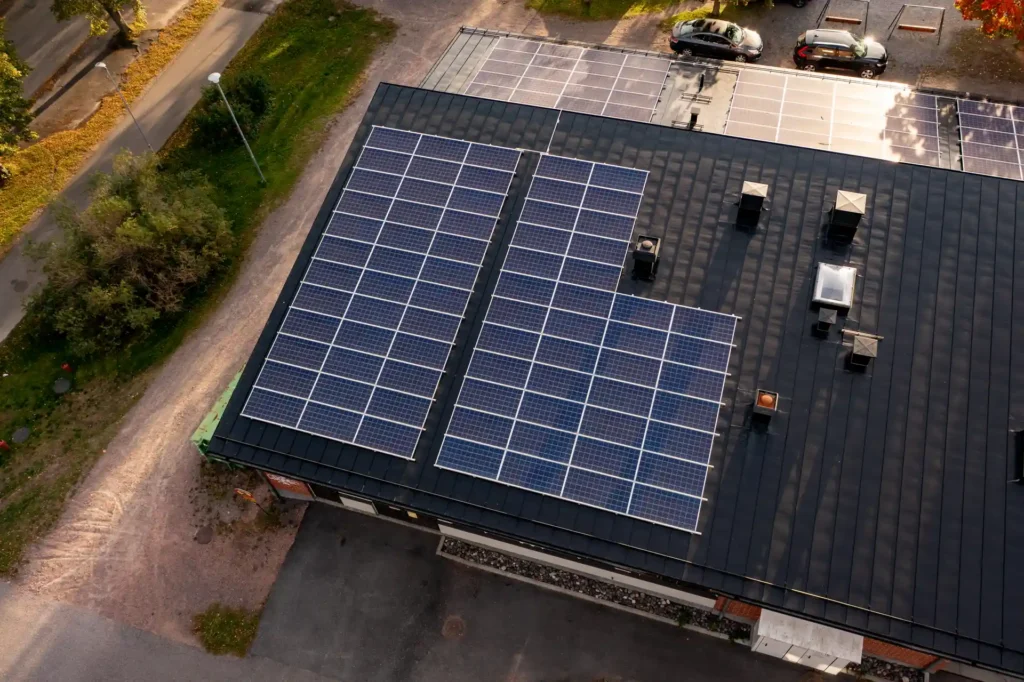
Because Newcastle and the Hunter region receive strong sunlight levels, solar systems installed in this area can generate a meaningful number of certificates, which helps reduce the overall cost.
Upfront Discount at Installation
Most solar installers apply the rebate directly to the installation price.
This means you do not usually need to complete a separate rebate application. Instead, the value of the certificates is deducted from the system cost during the quoting process.
This approach simplifies the process for homeowners and businesses considering solar.
How Much Can the NSW Solar Rebate Reduce Installation Costs?
The rebate amount depends primarily on the size of the solar system.
As a general example:
| Solar System Size | Estimated Rebate Value (2026) |
| 6.6kW System | $2,500 – $3,500 |
| 10kW System | $3,500 – $5,000 |
| Larger Commercial Systems | Higher depending on system size |
These values can change depending on market conditions and the number of certificates generated by the system.
Because rebates reduce the upfront cost, they improve the return on investment and shorten the time it takes for a solar system to pay for itself.
Who Is Eligible for Solar Rebates in NSW?
Most property owners in NSW are eligible for solar rebates provided certain conditions are met.
Eligibility generally includes:
- the solar system must be installed by an accredited installer
- the equipment must meet Australian standards
- the system size must fall within the scheme limits
- the property must be connected to the electricity grid
Both residential and commercial properties can benefit from the rebate scheme.
Because the program is designed to encourage renewable energy adoption nationwide, many homes and businesses in Newcastle, Maitland and the wider Hunter region qualify.
Are There Additional Solar Incentives in NSW?
In addition to the federal STC rebate, some energy programs and financing options may support solar adoption.
These programs can include:
- energy efficiency initiatives
- battery incentive programs
- energy financing solutions through electricity providers
Availability can vary depending on government policy changes and energy provider programs.
Working with an experienced installer can help ensure you understand the incentives currently available.
At New Edge Electrical, we explain available options clearly so property owners can evaluate the full financial picture before installing solar.
How Solar Rebates Affect the Payback Period
One of the biggest benefits of the rebate system is how it improves the financial return on solar systems.
Because rebates reduce the upfront cost, the payback period for solar installations becomes shorter.
In many cases, solar systems installed in NSW reach payback within four to six years, depending on factors such as electricity usage, system size and energy pricing.
Considering that solar panels typically last 25 years or more, this allows homeowners and businesses to benefit from many years of reduced electricity costs.
Why Solar Works Well in Newcastle and the Hunter Region
Newcastle and the surrounding Hunter Valley receive strong sunlight throughout the year, which makes the region well suited for solar energy production.
Many homes and commercial buildings also have roof layouts that support solar installations effectively.
However, coastal conditions can influence system design. Exposure to salt air, humidity and weather conditions means solar systems should be installed with durable equipment designed for long-term performance.
Working with a qualified local installer ensures the system is properly designed for these regional conditions.
The Importance of Professional Solar Installation
Solar systems must be installed by licensed professionals to ensure compliance with Australian electrical standards and safety regulations.
Proper installation involves more than simply mounting panels. It includes safe inverter integration, switchboard connections and electrical protection systems.
At New Edge Electrical, our licensed electricians install solar systems across Newcastle, Maitland and the Hunter region with a strong focus on safety, compliance and long-term reliability.
We work closely with property owners to ensure every system is designed for their energy needs while meeting current regulations.
Is Now a Good Time to Install Solar in NSW?
For many homeowners and businesses, the current rebate system makes solar more affordable than ever.
Government incentives combined with falling equipment prices have significantly reduced installation costs compared to previous years.
With electricity prices continuing to rise, installing solar can help stabilise long-term energy expenses while improving property efficiency.
However, because rebate values gradually reduce over time as the scheme phases down, installing sooner rather than later can maximise available incentives.
Understanding Your Solar Options
Solar rebates play an important role in making renewable energy accessible for homes and businesses across NSW.
By reducing the upfront installation cost, these incentives help property owners transition to solar while improving long-term energy efficiency.
However, choosing the right system size and installation approach is just as important as understanding rebates.
If you are considering solar for your home or commercial property, the team at New Edge Electrical can assess your property, explain available incentives and design a solar system that delivers reliable performance for years to come. Contact us today.