Rising electricity prices continue to place pressure on businesses across New South Wales and Queensland. For many commercial property owners, energy has become one of the largest operating expenses, particularly for offices, warehouses, retail spaces and industrial facilities that rely on electricity throughout the day.
Because of this, many business owners are now asking a practical question: is installing solar worth it for a commercial building?
The short answer is that for many businesses in NSW and QLD, solar can significantly reduce operating costs while improving long-term energy stability. However, the real value depends on factors such as building size, energy usage patterns, system design and installation quality.
Let’s explore how commercial solar works, the potential financial benefits, and what businesses should consider before installing a system.
Why Businesses in NSW and QLD Are Considering Solar
Electricity costs for commercial properties in Australia have increased steadily in recent years. Businesses that operate during daylight hours often experience the highest electricity demand when solar panels generate the most power.
This alignment makes solar particularly effective for commercial buildings.
Many businesses in Newcastle, the Hunter region and coastal Queensland are installing solar systems to:
- Reduce monthly electricity costs
- Protect against future price increases
- Improve long-term operational efficiency
- Strengthen sustainability commitments
- Increase property value and energy performance
For buildings with large roof space such as warehouses, shopping centres or office complexes, solar can turn unused roof area into a productive energy asset.
At New Edge Electrical, we regularly help businesses evaluate whether solar is a practical investment based on their energy usage and building layout.
How Commercial Solar Systems Work
Commercial solar systems operate in the same basic way as residential systems, but they are designed to support higher electricity demand.
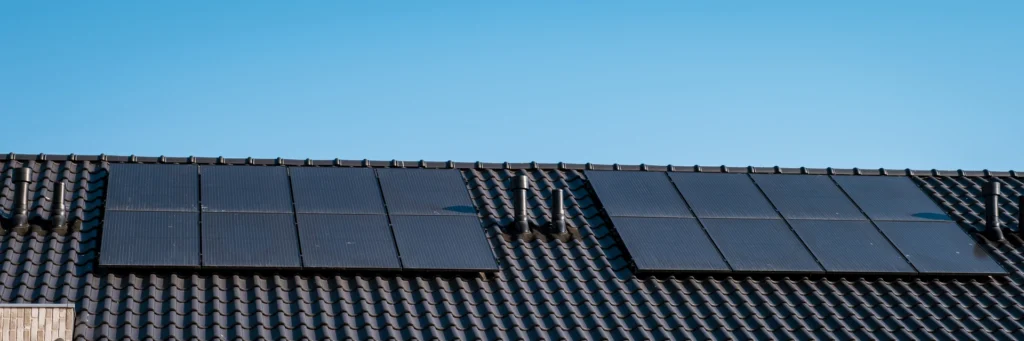
Solar panels installed on the building roof capture sunlight and convert it into direct current (DC) electricity. An inverter then converts this into alternating current (AC) electricity, which powers equipment, lighting, air conditioning and other systems within the building.
Any electricity generated by the solar system is used first by the property itself. If the system produces more electricity than the building consumes, the excess can often be exported back to the grid depending on local regulations and network agreements.
Because many commercial buildings operate during business hours, they are well positioned to use most of the energy their solar system produces, which improves the financial return.
Key Factors That Determine If Solar Is Worth It
Solar can provide strong returns for commercial properties, but its value depends on several practical factors.
Building Energy Usage
The more electricity your building uses during daylight hours, the more valuable solar becomes.
Facilities such as offices, retail centres, manufacturing plants and warehouses often consume electricity throughout the day, which allows them to directly use solar-generated power rather than exporting it.
This maximises cost savings.
Roof Space and Orientation
Commercial buildings often have large roof areas, which makes them ideal for solar installation.
Flat roofs or wide industrial rooftops can support larger systems, allowing businesses to offset a greater portion of their electricity usage.
However, roof condition, shading and structural considerations must always be assessed before installation.
A licensed electrical contractor will evaluate these factors during the planning stage.
Electricity Costs
Businesses paying higher electricity tariffs usually see stronger financial returns from solar systems.
Because solar offsets electricity purchased from the grid, the savings increase when electricity prices rise.
In regions like Newcastle, Maitland and across the Hunter Valley, many commercial clients are installing solar specifically to stabilise energy expenses over the long term.
System Size and Design
A properly designed system is essential for achieving good results.
Oversized systems may produce more electricity than the building can use, while undersized systems may not deliver meaningful savings.
At New Edge Electrical, we design commercial solar systems based on real energy usage data to ensure the system matches the building’s requirements.
This approach helps businesses achieve reliable performance and long-term value.
Financial Benefits of Commercial Solar
For many businesses, the biggest motivation for installing solar is financial.
A well-designed solar system can reduce electricity costs significantly over its lifespan.
Lower Operating Costs
Electricity is a major operational expense for many businesses. Solar allows companies to generate their own electricity during the day, reducing the amount purchased from the grid.
Over time, this can result in substantial cost savings.
Long-Term Energy Stability
Energy prices can fluctuate due to market conditions and supply changes.
Solar helps reduce dependence on external energy providers by generating electricity onsite. This provides greater stability for budgeting and operational planning.
Potential Government Incentives
Commercial solar systems in Australia may be eligible for government incentives such as Small-scale Technology Certificates (STCs) or other energy programs.
These incentives can reduce the upfront installation cost and improve the overall return on investment.
Because incentive programs change periodically, it is important to work with a knowledgeable installer who understands the current regulations.
Increased Property Value
Energy-efficient commercial buildings are becoming more attractive to tenants and investors.
A building with solar infrastructure can offer lower operating costs, which improves its appeal to businesses looking for sustainable and cost-efficient premises.
Typical Payback Period for Commercial Solar
One of the most common questions business owners ask is how long it takes for a solar system to pay for itself.
While every project is different, many commercial solar systems in NSW and QLD achieve a payback period between three and seven years depending on system size, electricity usage and installation costs.
Considering that solar panels can last 25 years or more, businesses may benefit from many years of reduced electricity expenses after the system has paid for itself.
Solar in Coastal NSW and Queensland Environments
Commercial buildings in coastal areas such as Newcastle and parts of Queensland face unique environmental conditions.
Salt air, humidity and weather exposure can affect electrical equipment over time. This is why system design and installation quality are critical.
Professional installers consider:
- corrosion-resistant mounting systems
- high-quality cabling and electrical protection
- compliance with Australian electrical standards
- safe integration with existing switchboards
Working with an experienced provider ensures the system is designed for long-term performance in local conditions.
When Should a Business Consider Installing Solar?
Commercial solar may be worth considering if your building:
- Has significant electricity usage during the day
- Has large usable roof space
- Experiences rising electricity costs
- Is planning long-term occupancy or ownership
- Wants to improve sustainability performance
Businesses planning building upgrades, renovations or equipment expansion may also benefit from evaluating solar during the project planning stage.
The Importance of Working with a Licensed Electrical Contractor
Solar systems must be installed according to Australian electrical standards and safety regulations.
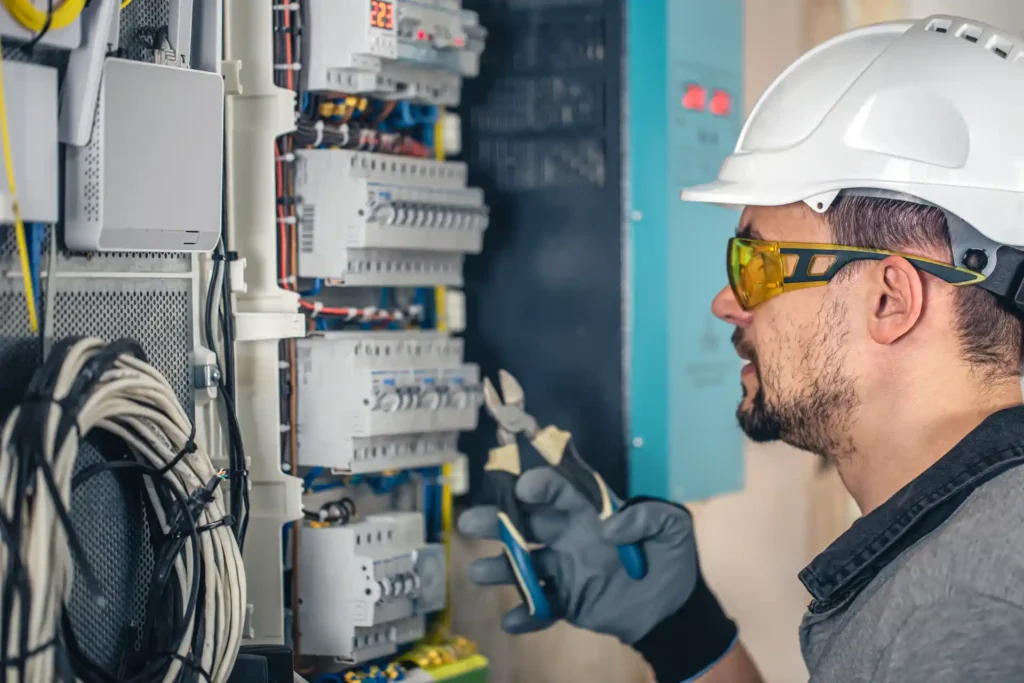
A qualified installer ensures the system is safely integrated with the building’s electrical infrastructure, including switchboards, protection systems and grid connections.
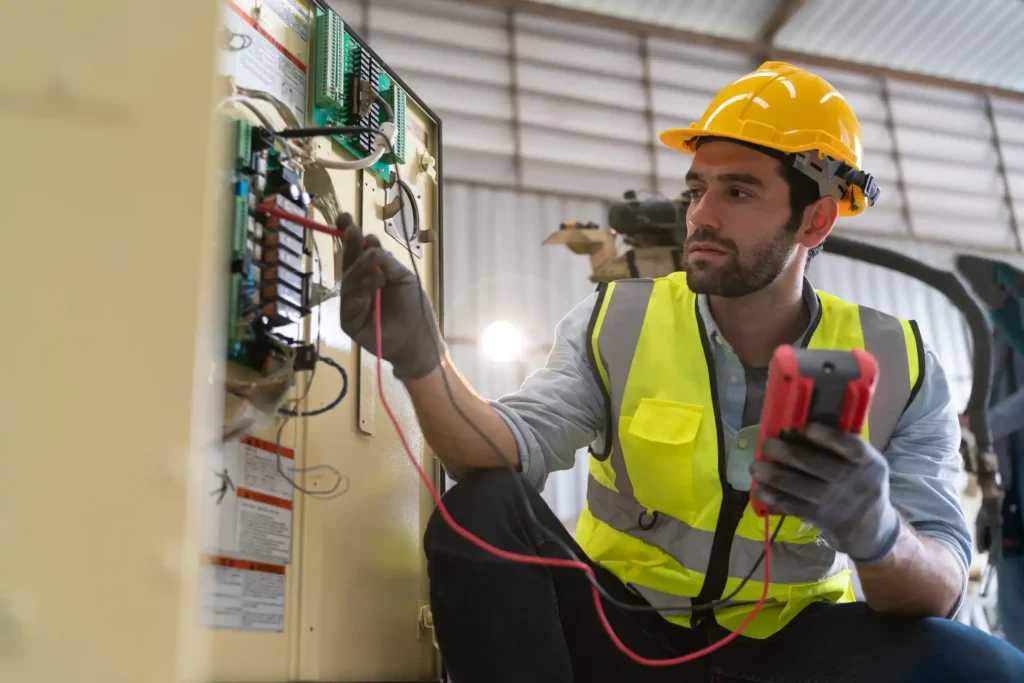
At New Edge Electrical, our licensed electricians design and install solar systems that prioritise safety, compliance and long-term reliability. We work closely with businesses across Newcastle, the Hunter region and surrounding areas to ensure every installation is tailored to the building’s operational needs.
This approach helps businesses avoid common issues such as poor system design, compliance risks or underperforming installations.
Is Solar Worth It for Your Commercial Building?
For many businesses across NSW and Queensland, solar is becoming a practical way to reduce operating costs while improving energy efficiency.
Commercial properties that use electricity during the day and have suitable roof space often achieve strong financial returns from solar installations.
However, every building is different. A professional assessment is essential to determine the most suitable system size, installation approach and expected performance.
If you are considering solar for your commercial property, working with an experienced electrical contractor can help you make an informed decision and ensure the system is designed for long-term value.
If you would like to explore whether solar is the right solution for your business, the team at New Edge Electrical can assess your building, energy usage and system requirements to help you plan a safe, compliant and effective installation. Contact us today!